Hospital Operations10 min read

Hospital Revenue Optimization: AI Strategies That Work

Discover how leading hospitals use AI to recover lost revenue, reduce operational costs, and improve patient throughput with measurable ROI.

B

Bot MD Team

Healthcare AI Experts January 5, 2026

Revenue OptimizationHospital AIHealthcare ROIFinancial Growth
Hospital revenue growth charts and analytics dashboard

Hospital Revenue Optimization: AI Strategies That Work

The CFO's face was grim as she addressed the quarterly meeting.

"We lost $2.3 million last year to operational inefficiencies," she announced. "No-shows. Unfilled cancellations. Patients who went to competitors because we didn't answer fast enough. And here's the worst part: we know exactly where that money went, but we keep losing it anyway."

The room fell silent. Everyone knew the problems. Scheduling gaps. Overwhelmed call centers. Follow-ups that never happened. But the solutions always seemed to require more staff—staff they couldn't hire or afford.

Then the Chief Digital Officer spoke up: "What if the solution isn't more people? What if it's smarter systems?"

Six months later, that hospital had recovered $340,000 in previously lost revenue. And they hadn't hired a single new staff member.

This is the story of how AI is transforming hospital revenue optimization—not through futuristic technology, but through practical automation that solves problems hospitals face every single day.

The Hidden Revenue Hemorrhage

Before we talk solutions, let's be honest about the problem. Most hospitals are bleeding money in ways that have become so normalized, leaders barely notice anymore.

The No-Show Drain

A mid-sized hospital with 100,000 annual appointments and a 20% no-show rate is looking at 20,000 empty slots every year. At an average appointment value of $200, that's $4 million in lost revenue—and that's before counting the wasted staff time, unused equipment, and patients who waited longer because your schedule was theoretically "full."

The Cancellation Cascade

When patients cancel, most hospitals simply mark the slot as empty. Maybe they try calling a few people on the waitlist. Maybe they don't.

One surgical center discovered that 70% of their cancelled appointments went unfilled because by the time they reached waitlist patients by phone, the slots had already passed.

The After-Hours Black Hole

Research shows that 40% of healthcare inquiries come after business hours. When a prospective patient messages at 9 PM asking about knee replacement surgery, what happens?

At most hospitals: nothing until the next morning. By then, the patient has already reached out to your competitor who responded immediately.

The Follow-Up Failure

Post-discharge patients need follow-up care. But without systematic engagement, compliance drops dramatically. One hospital found that 60% of their surgical patients missed their 6-week follow-up appointments—losing not just revenue but the opportunity to catch complications early.

The Revenue Recovery Playbook

The hospitals that have cracked revenue optimization through AI share a common approach: they started with the highest-impact, lowest-complexity opportunities and built from there.

Strategy 1: The No-Show Elimination System

The Old Way: Call patients once, maybe twice. Hope they remember.

The AI Way: A systematic engagement sequence that makes it almost impossible to forget—and easy to reschedule if life gets in the way.

Here's what it looks like in practice:

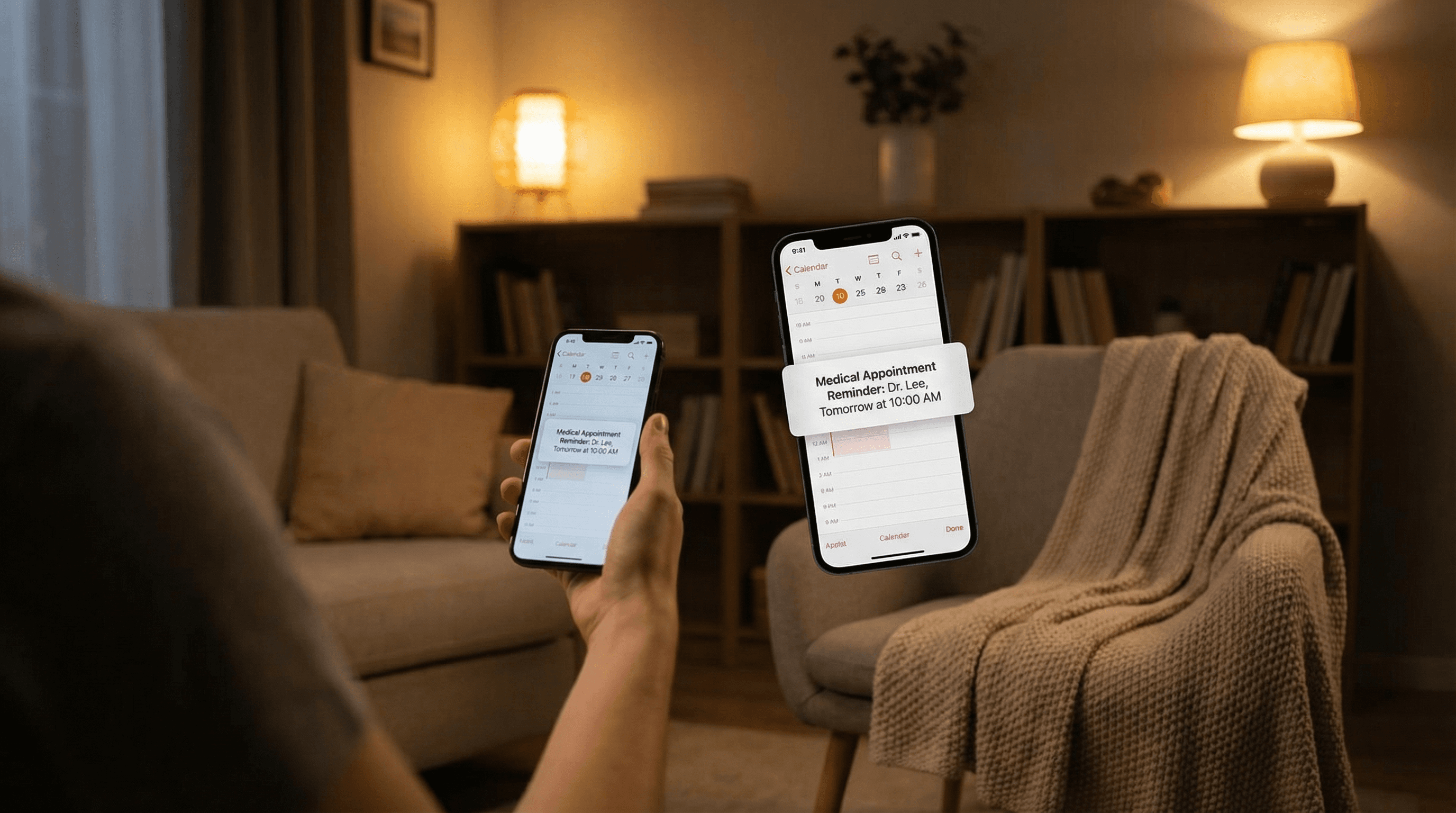
7 days before: "Hi Mrs. Tan! Just a friendly reminder that you have an appointment with Dr. Wong next Wednesday at 10 AM. Reply YES to confirm or RESCHEDULE if you need a different time."

3 days before: "Your appointment is in 3 days. Here's what to bring: [checklist]. Still able to make it? Reply YES or RESCHEDULE."

1 day before: "Tomorrow's the day! Dr. Wong is looking forward to seeing you. Arrive by 9:45 AM at Tower B, Level 3. Here's the fastest route from your location: [map link]"

Morning of: "See you in 2 hours! Parking is available in Lot B. Text us if you're running late—we can adjust."

The results speak for themselves:

HospitalBefore AIAfter AIRevenue Impact
Gleneagles Malaysia23% no-shows9% no-shows+$890K annually
Parkway Pantai25% no-shows12% no-shows+$1.2M annually
Mount Elizabeth18% no-shows8% no-shows+$650K annually

Strategy 2: The Instant Cancellation Recovery System

Here's a scenario that plays out thousands of times daily:

10:15 AM: Mrs. Lee cancels her 2 PM cardiology appointment 10:16 AM: Receptionist notes the cancellation in the system 10:30 AM: Receptionist starts calling the waitlist 11:45 AM: After 6 unanswered calls, receptionist gives up to handle lunch rush 2:00 PM: Slot goes empty. $350 in lost revenue.

Now here's what happens with AI automation:

10:15 AM: Mrs. Lee cancels her appointment 10:16 AM: AI automatically messages all eligible waitlist patients: "Great news! A slot just opened for your preferred time. Would you like to book? Reply YES to confirm." 10:23 AM: Mr. Ahmad replies "YES" 10:24 AM: Slot filled. $350 saved. No staff time required.

One hospital implemented this system and went from filling 12% of cancelled slots to filling 68%—an additional $180,000 in annual revenue from a single automation.

Strategy 3: The 24/7 Revenue Capture Engine

It's 11 PM on a Saturday. A potential patient has been researching fertility clinics all evening. She finally decides to reach out and sends a message asking about IVF pricing and success rates.

What happens at Hospital A (no AI): Message sits unread until Monday morning. By then, she's already booked a consultation at a competitor who responded Sunday at 8 AM.

What happens at Hospital B (with AI):

11:02 PM: AI responds: "Hi Sarah! Thank you for reaching out about our fertility services. I can help you learn more about IVF at our centre. Our success rates are among the highest in the region. Would you like me to share more details, or would you prefer to book a consultation with one of our specialists?"

11:05 PM: Sarah replies: "Can you tell me about pricing?"

11:05 PM: AI provides pricing tiers and offers to schedule a consultation.

11:15 PM: Sarah books a consultation for Tuesday.

The hospital captured a high-value patient—one who might have spent $30,000+ on treatment—because they answered immediately instead of 40 hours later.

Home Healthlink in the Philippines implemented 24/7 Viber automation and achieved 10% inquiry-to-booking conversion—a number most hospitals would consider exceptional even for immediate responses.

Strategy 4: The Patient Education Revenue Engine

Most hospitals think of patient communication as a cost center. Smart hospitals recognize it as a revenue opportunity.

Here's how it works:

Scenario: Mrs. Wong had a colonoscopy 3 years ago. Guidelines recommend another one at 5 years for her risk profile.

Without automation: Mrs. Wong might remember. She might not. The hospital leaves potential revenue on the table.

With AI automation:

Year 4, Month 11: "Hi Mrs. Wong! It's been nearly 5 years since your last colonoscopy. Based on your health profile, it may be time for another screening. Would you like to schedule an appointment? Early detection saves lives—and our AI can book you in under 2 minutes."

A gastroenterology clinic implemented proactive screening outreach and saw preventive procedure bookings increase 45%—entirely incremental revenue they would have otherwise missed.

Strategy 5: The Post-Care Revenue Maximizer

The patient journey doesn't end at discharge. For many conditions—orthopedics, cardiology, oncology—post-procedure care represents significant additional revenue and better outcomes.

But without systematic follow-up, patients drift away. They feel fine (for now). Life is busy. They forget to schedule that 6-week check.

AI changes this equation:

Post-hip replacement engagement sequence:

Week 2: "Hi Mr. Kumar! How's your recovery going? Quick pain check—on a scale of 1-10, how would you rate your hip pain today?"

Week 4: "Your 6-week follow-up is coming up! Dr. Razak wants to check your progress. Here are three available times—which works best?"

Week 6: Patient arrives for follow-up (because they booked through the AI), doctor identifies a minor issue that's easily corrected, patient continues excellent recovery.

ALTY Joint & Spine Centre achieved 83% follow-up compliance with automated engagement—compared to an industry average of 40-50%. That's not just better outcomes; it's significant additional revenue from follow-up visits.

Doing the Math: Your Revenue Opportunity

Let's make this concrete. Here's a simple calculator any hospital can use:

No-Show Recovery

  • Annual appointments: ______
  • Current no-show rate: ______%
  • Average appointment revenue: $______
  • Current annual loss: Appointments × No-show rate × Avg revenue = $______
  • Potential recovery (30% reduction): Current loss × 30% = $______

Cancellation Recovery

  • Annual cancellations: ______
  • Current fill rate: ______%
  • Average appointment revenue: $______
  • Current annual loss: Cancellations × (1 - fill rate) × Avg revenue = $______
  • Potential recovery (to 60% fill): Improvement opportunity × Avg revenue = $______

After-Hours Inquiry Capture

  • Monthly website/messaging inquiries: ______
  • Estimated after-hours portion: ______%
  • Current after-hours conversion: ______%
  • Average patient value (first year): $______
  • Potential additional conversions: After-hours inquiries × 10% conversion lift × Patient value = $______

Conservative total opportunity for a mid-sized hospital: $500,000 - $2,000,000 annually.

The Implementation Reality

Here's the honest truth about implementing AI revenue optimization: it's not magic, and it's not instant. But it is faster and easier than most hospitals expect.

Month 1-2: Quick Wins

Focus: Appointment reminders and basic FAQ automation Investment: Setup and integration time, minimal customization Expected results: 15-20% no-show reduction, 50% reduction in routine call center queries

Month 3-4: Building Momentum

Focus: Cancellation recovery, after-hours response, waitlist automation Investment: Workflow design, staff training on new processes Expected results: Additional 10-15% no-show reduction, cancelled slot fill rate improvement

Month 5-6: Optimization

Focus: Proactive outreach, PROM automation, patient education Investment: Campaign design, analytics refinement Expected results: Measurable improvement in follow-up compliance, new patient acquisition

Month 6+: Compounding Returns

By this point, you're not just recovering revenue—you're building competitive advantage. The hospitals that started early now have:

  • Better patient data from continuous engagement
  • Higher satisfaction scores driving referrals
  • Lower operational costs freeing resources for growth
  • Predictive insights enabling proactive care

The CFO Question: Why Now?

Healthcare margins are under pressure. Staff is hard to find. Patients expect more. Competitors are investing in technology.

The hospitals that embrace AI revenue optimization now will build insurmountable advantages. The hospitals that wait will find themselves playing catch-up in an increasingly competitive market.

The math is simple: every month you delay is another month of revenue left on the table.

Bot MD has helped hospitals across Southeast Asia recover $300,000+ annually in previously lost revenue through intelligent patient engagement. Our healthcare-specific AI understands your workflows, integrates with your systems, and deploys in weeks—not months.

Book a demo to see exactly how much revenue your hospital could recover.

Ready to Transform Your Patient Engagement?

See how Bot MD can help your hospital achieve similar results with AI-powered patient engagement.

Related Articles
Ready to boost your hospital revenue?

Book a demo to learn how we can help you automate your patient engagement to increase revenue by 20-30%