Patient Experience in Digital Healthcare: What Patients Really Want
Lisa was furious. She'd taken an hour off work to call her clinic about rescheduling her daughter's vaccination. After 15 minutes on hold, she was finally told they could only reschedule for three weeks out. When she asked about earlier options, the receptionist put her on hold again. Another 8 minutes.
Meanwhile, a friend across the table casually mentioned she'd just booked her kids' dental appointments via WhatsApp. "Took me literally two minutes. While waiting for my coffee."
That evening, Lisa started researching new pediatricians.
This scene—or some version of it—happens millions of times daily. And it represents a fundamental disconnect: patients expect digital experiences matching what they get from banks, airlines, and food delivery apps. Healthcare, by and large, is failing to deliver.
The hospitals and clinics that figure this out are winning patients. The ones that don't are losing them—often without ever knowing why.
The Great Expectation Gap
Let's be honest about what patients experience elsewhere:
When Sarah wants Thai food:
- Opens app at 8:47 PM
- Orders with one tap at 8:49 PM
- Tracks delivery in real-time
- Food arrives at 9:15 PM
When Sarah wants to book a doctor's appointment:
- Calls clinic at 9 AM
- Gets voicemail because staff is busy
- Calls back at 10:30 AM, waits on hold for 12 minutes
- Learns the next available slot is in 3 weeks
- Gives up and tries a competitor
The contrast is absurd when you see it laid out. Yet it's daily reality for most healthcare consumers.
The research is clear:
- 77% of patients say convenient access is their top priority when choosing a provider
- 64% will consider switching after a single poor digital experience
- 83% prefer text-based communication for appointment-related messages
Experience isn't just a nice-to-have. It's the primary competitive battleground.
What Patients Actually Want (It's Not That Complicated)
We surveyed thousands of patients across Southeast Asia. Their requests weren't outrageous—they were remarkably simple:
1. Let Me Book When It's Convenient for Me
Not when it's convenient for your staff. For me.
That might be 10 PM on a Sunday while scrolling through my phone before bed. That might be 6 AM before the kids wake up. That might be during my lunch break when I have 90 seconds to spare.
Clinics with 24/7 booking see 40% of appointments scheduled outside traditional business hours. That's approaching half of all patients.
2. Respond Quickly (Or At Least Acknowledge Quickly)
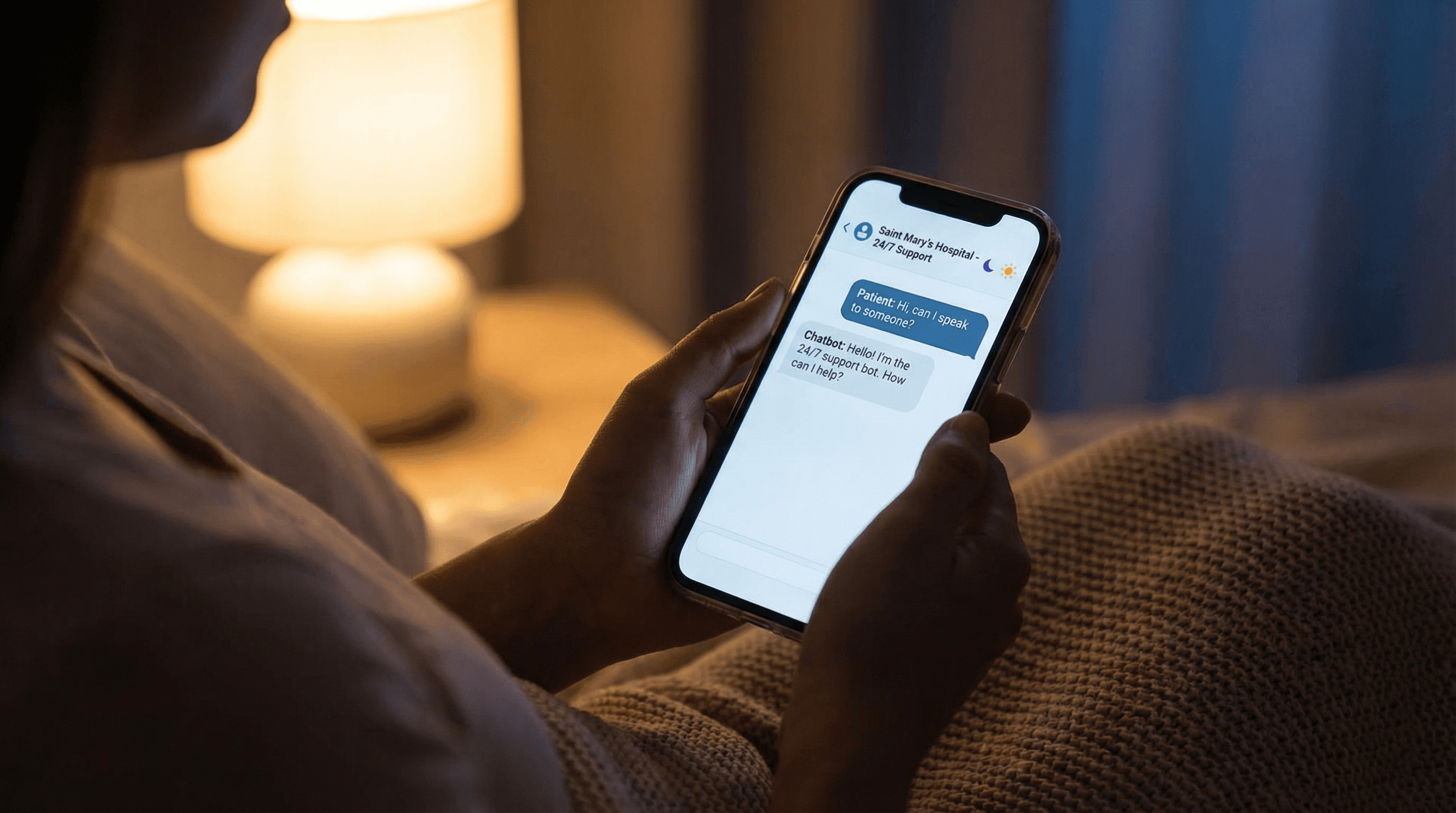
Patients don't expect doctors to diagnose them via WhatsApp at midnight. But they do expect acknowledgment.
"Thanks for reaching out! I can help you book an appointment or answer questions. What can I help with?"
That response, delivered instantly at 2 AM, changes everything. The patient feels heard. They know their message didn't disappear into a void.
Speed expectations:
- Simple questions: Minutes, not hours
- Appointment requests: Same-day confirmation
- Urgent concerns: Immediate acknowledgment
3. Don't Make Me Repeat Myself
Nothing destroys trust faster than asking patients to repeat information they've already provided.
"I already told the person on the phone my insurance details." "You have my address on file—I've been coming here for 5 years." "Why do I have to fill out this form again?"
When systems don't talk to each other, patients pay the price in frustration.
4. Talk to Me Where I Already Am
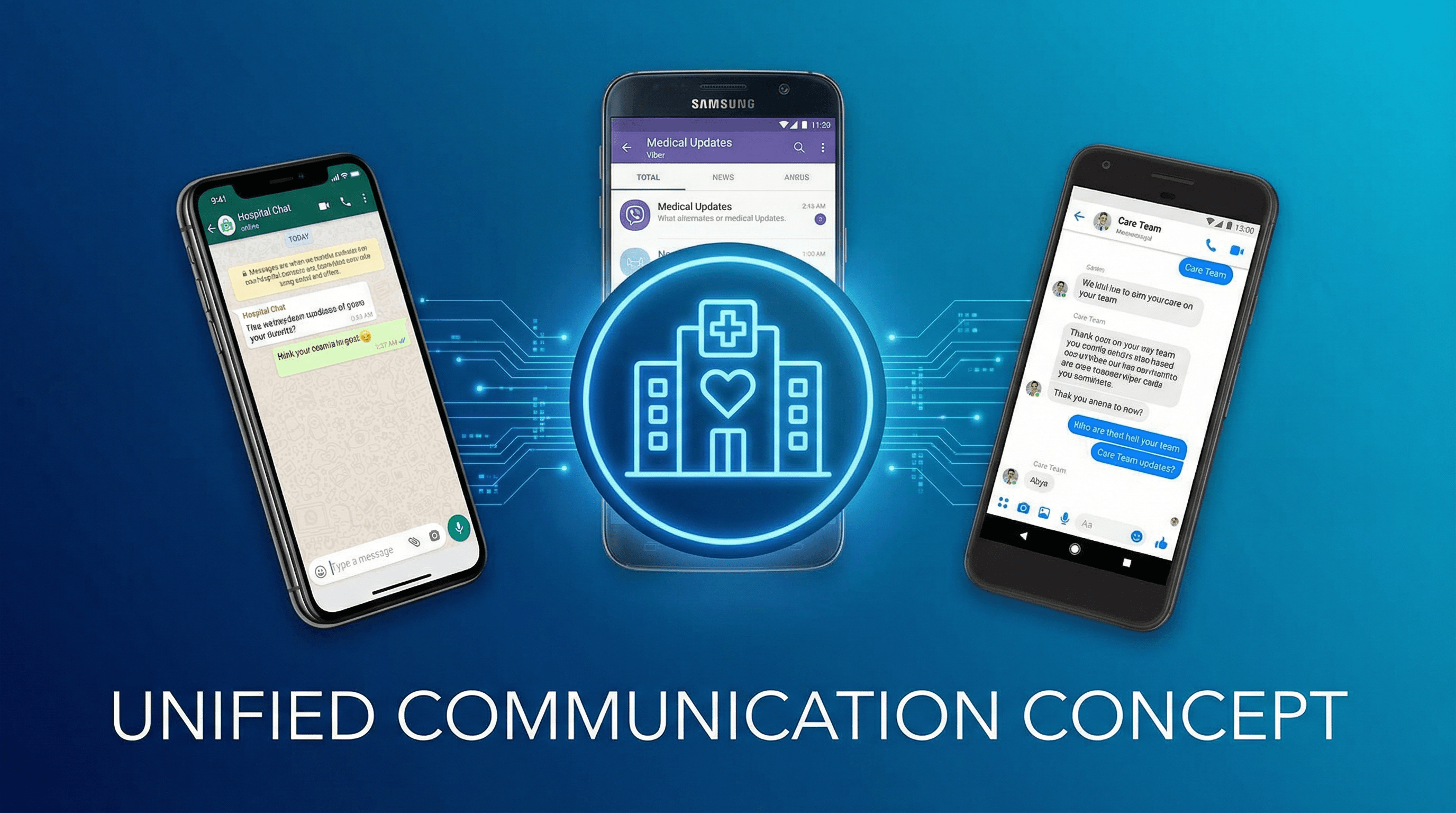
The average person checks WhatsApp 23 times per day. Email? Maybe once or twice. Voicemail? Who checks voicemail anymore?
Channel preferences in Southeast Asia:
| Age Group | First Choice | Second Choice |
|---|---|---|
| 18-34 | Messenger | |
| 35-54 | SMS | |
| 55-64 | SMS/WhatsApp | Phone |
| 65+ | Phone | SMS |
Even older patients are increasingly comfortable with messaging. The assumption that "my patients prefer phone calls" is often just that—an assumption.
5. Make It Personal (Without Being Creepy)
Good personalization:
- "Hi Sarah! Time for Emma's 6-month vaccination. Would you like to book?"
- "Following up on your knee surgery—how's the recovery going?"
Creepy:
- Using health information you shouldn't have
- Sending too many messages
The sweet spot: use data you legitimately have to make communications helpful.
The Anatomy of Exceptional Patient Experience
Maria's Journey at Modern Clinic
Sunday, 9:15 PM Maria notices a concerning mole. She messages the clinic via WhatsApp.
9:15 PM (immediate) AI responds: "Hi Maria! I can help you book with our dermatology team. Given your concern, would you prefer our next urgent slot tomorrow at 11 AM, or a regular appointment later this week?"
9:17 PM Maria: "Tomorrow 11am works"
AI: "Perfect! Confirmed for tomorrow at 11 AM with Dr. Chen. Calendar invite sent. Would you like to complete registration now? Takes 3 minutes and saves time tomorrow."
9:20 PM Maria completes registration on her phone while watching TV.
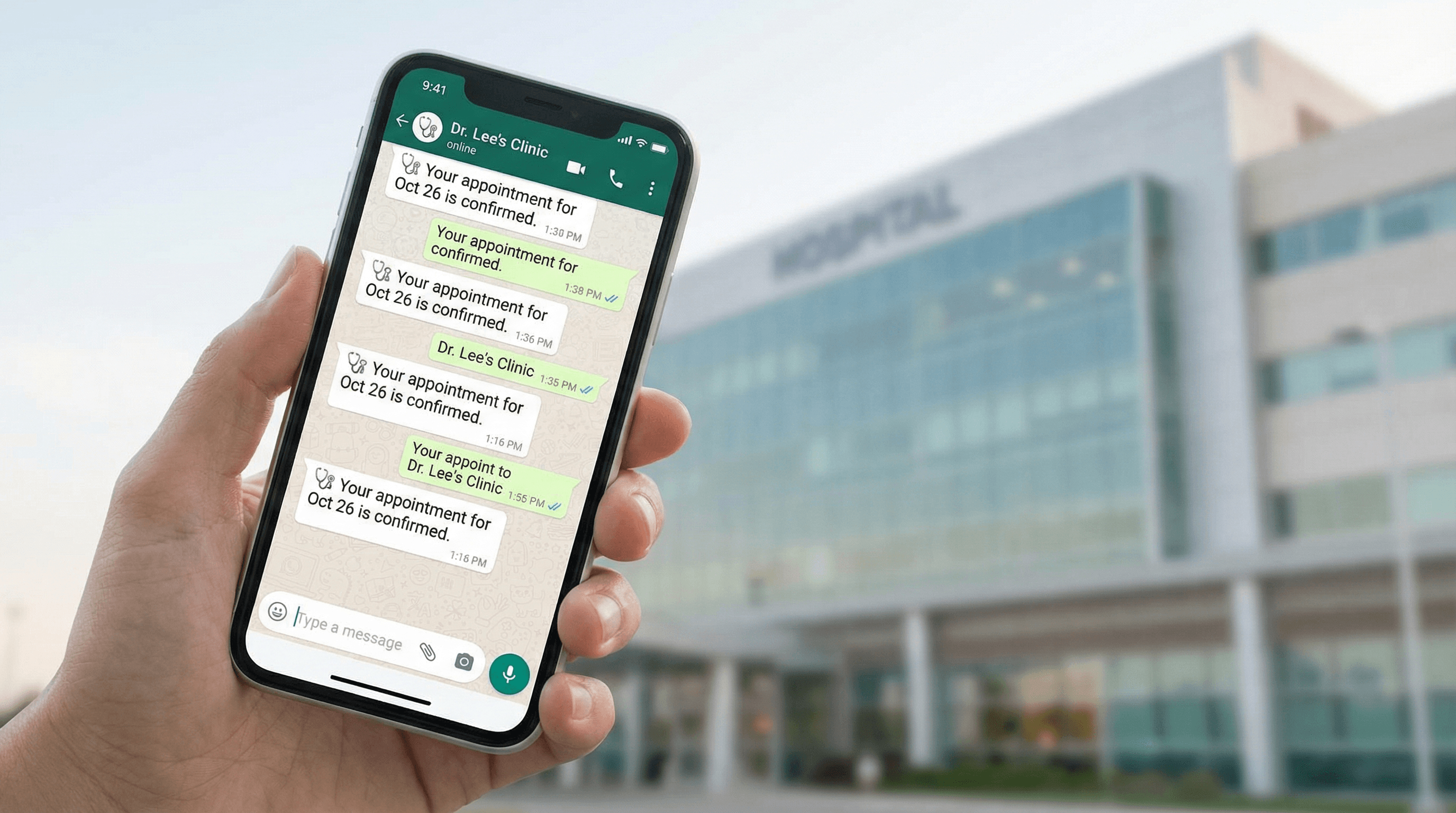
Monday, 9:00 AM Reminder: "See you at 11 AM today! Here's the fastest route: [map link]"
Monday, 10:55 AM Maria arrives. Receptionist has her file ready. No paperwork. No repeating information.
Tuesday Follow-up: "Hi Maria! Any questions about Dr. Chen's instructions? Let me know if you need anything."
That's modern healthcare experience. Not complicated. Not expensive. Just thoughtful.
The Experience Killers to Avoid
The Endless Phone Tree "Press 1 for appointments. Press 2 for billing..." Every patient navigating this accumulates frustration before speaking to anyone.
The Voicemail Void "Leave a message and we'll call back." But when? Today? Tomorrow? Ever?
The Form Fiesta Making patients fill out the same forms repeatedly. Your EMR knows their address. Stop asking.
The Scheduling Shuffle "Can you come Tuesday at 3?" "No." "Wednesday at 10?" "No." Just show available times and let the patient pick.
Measuring What Matters
| Metric | Poor | Good | Excellent |
|---|---|---|---|
| First response time | >4 hours | <1 hour | <5 minutes |
| Appointment booking conversion | <60% | 70-80% | >85% |
| No-show rate | >20% | 10-15% | <10% |
| Net Promoter Score | <20 | 30-50 | >60 |
Track these monthly. When numbers move, dig into why.
The ROI of Better Experience
Patient Retention Patients with positive experiences are 6x more likely to return. In healthcare, lifetime patient value is substantial.
Word of Mouth Healthcare is one of the few industries where personal recommendations still dominate. Happy patients tell friends. Frustrated patients tell everyone.
Operational Efficiency Good experience design often reduces costs. Self-service booking costs nothing compared to phone calls. Automated reminders reduce no-shows.
Building Your Experience Transformation
Week 1: Audit Your Current State
- Mystery shop your own booking process
- Survey recent patients
- Map every touchpoint from first contact to follow-up
- Identify the top 3 friction points
Week 2-3: Quick Wins
- Implement 24/7 WhatsApp booking
- Deploy automated appointment reminders
- Create clear FAQ responses
- Fix the most obvious friction points
Month 2: Optimization
- Analyze what's working
- Expand automation to more use cases
- Train staff on new workflows
- Collect regular patient feedback
Month 3+: Continuous Improvement
- Review metrics monthly
- Act on patient feedback quickly
- Expand to new channels based on preferences
- Build experience into culture, not just tools
The Bottom Line
Patient experience isn't a nice-to-have anymore. It's how patients choose providers, decide whether to return, and whether to recommend you.
The good news: meeting expectations isn't that hard. It's about basic respect for their time, meeting them where they already are, and delivering the same digital experience they get everywhere else.
Bot MD helps healthcare organizations across Southeast Asia deliver exceptional patient experiences through intelligent automation. From 24/7 booking to personalized follow-up, we handle the digital touchpoints that shape how patients perceive your care.
Book a demo to see what modern patient experience looks like in practice.